

The Sacred Pause in the Creative Process
Armchair Conversations
With Deb Foggio
Intuitive Leadership Reflections
Where faith is formed… that realization is one of the quiet miracles of the Creative Process.
There comes a point when the work we have been doing inwardly begins to change its character. What once required conscious holding, returning, and strengthening becomes more settled, more rooted, more quietly real. The vision is no longer something we are merely trying to believe in. Something in us has begun to know. And when that happens, the next movement in the process may not be more effort at all, but pause.
This pause is poignant yet the beauty of it can be overlooked. It is the moment when the work changes.
And that moment matters more than we often realize.
Then there comes a quieter moment in the process. A more refined one. Something settles. The desire is no longer something you are trying to convince yourself of. It has become something you know in a deeper way. Not loudly. Not theatrically. But with enough inner steadiness that you can feel the difference.
And once that happens, the work is no longer the same. Faith has taken root. The seed has been planted deeply enough that it no longer needs constant handling.
The pause begins.
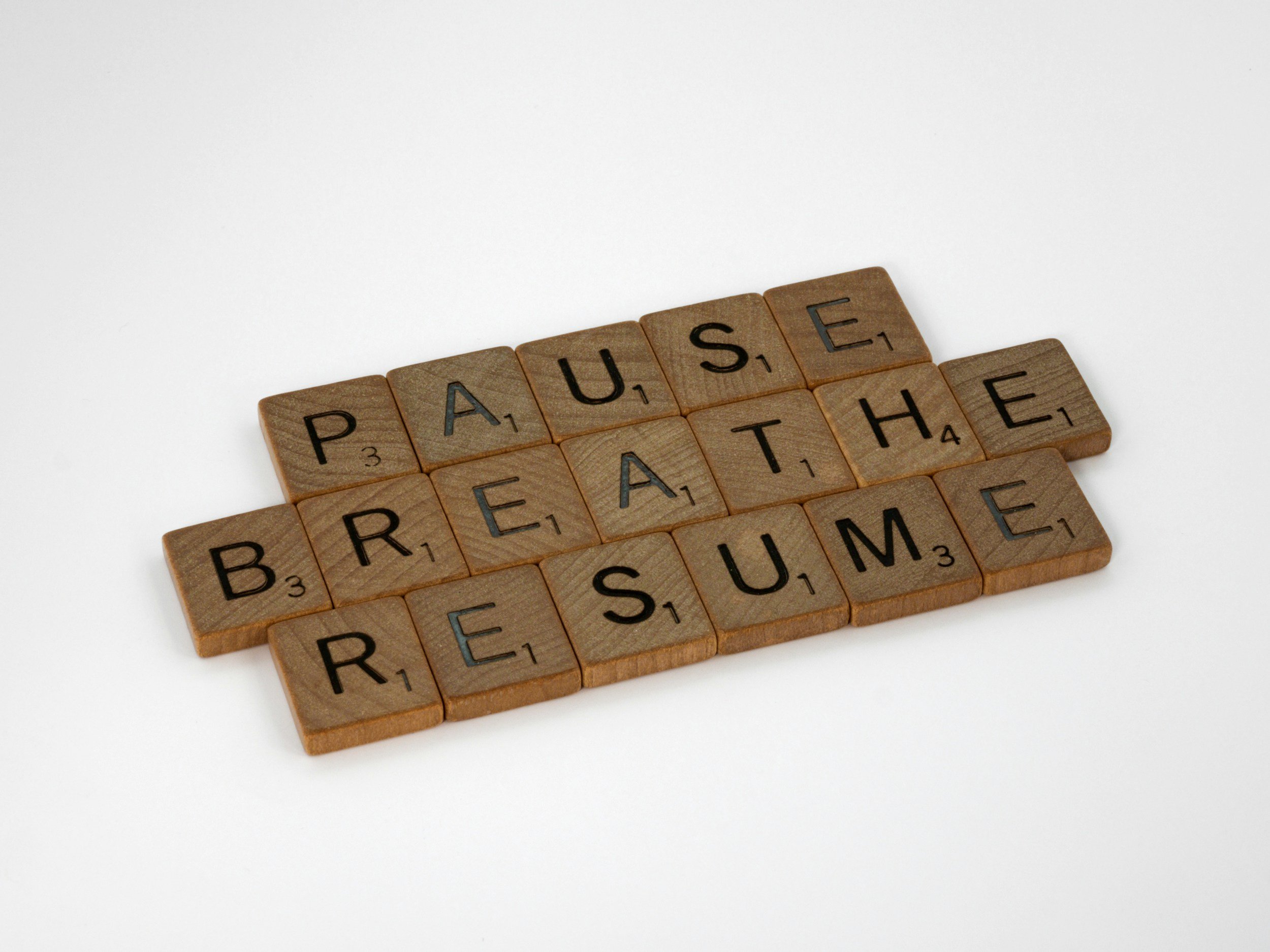
And this is where many people become unsure, because they think the pause means they are losing it. They think that if they are not actively rehearsing the vision, they must be slipping out of alignment. They become afraid to let the breath out, as though relaxing their grip will somehow undo what has already been inwardly established.
But sometimes the opposite is true.
Sometimes continuing to hold too tightly is no longer participation. It is interference.
Sometimes pause is the evidence that trust has matured.
That is what makes it sacred.
The sacred pause is the moment you realize you do not need to keep pressing on something that has already been received within. You can let it be. You can stop laboring over what has already moved from desire into inner acceptance. You can allow the process to breathe.
And when you do, something beautiful begins to happen.
You begin to assimilate.
You take in what has actually changed in you. You notice what feels quieter now, what feels more settled, what no longer needs the same amount of effort. You begin to sense that the inner work has done what it came to do. Not everything has necessarily appeared yet on the outside, but inwardly there is less grasping, less persuading, less mental noise.
There is more room.
And room matters.
Because when we stop gripping, we can finally observe. We can see what is actually here without panic. We can feel what is emerging without rushing to define it. We can receive new information that was too subtle to notice while we were still straining.
This is one of the hidden gifts of pause: it allows new data to arrive.
Not always in a grand or obvious way. Often very quietly.
A shift in how something feels.
A deeper clarity about what matters now.
A sense that one door is no longer yours and another one is.
A next step that rises naturally instead of being forced.
That is why pause is not a break in the Creative Process. It is part of its intelligence.
There is a rhythm to creation, and it is more elegant than we often allow it to be. There is a time to hold the vision, and there is a time to let the vision rest inside you. There is a time to participate through conscious focus, and there is a time to participate through trustful release. There is a time to impress, and there is a time to allow.
Both belong.
Both are holy.
Both ask something different of us.
And part of maturity in the Creative Process is learning to know the difference.
Not only knowing how to begin, but knowing when the nature of the work has changed. Not only knowing how to ask, but knowing when to stop asking in the same way and begin listening instead. Not only knowing how to hold the picture, but knowing when faith has become stable enough that you can let the picture live without your constant management of it.
That is not passivity.
It is not disengagement.
It is a more refined form of participation. It is a reset in perspective!
It is the quiet wisdom that says: I have done the inner work that was mine to do. I do not need to keep forcing what has already been inwardly accepted. I can breathe now. I can be still enough to notice. I can let what has been planted continue its own unfoldment. And from that quieter place, what I need to know next can come.
That, too, is creation.
In some ways, it may be one of the most beautiful parts of it.
Because there is such grace in no longer having to strain. There is such grace in letting what is true be true without repeatedly trying to make it more true. There is such grace in allowing the soul to breathe after it has done the work of inward establishment.
And often, it is from that very breath that the next steps reveal themselves.
Not because we wrestled them into view.
But because we became quiet enough to receive them.
Perhaps that is the deeper truth here:
The pause is not the end of the Creative Process. It is the point at which faith has settled deeply enough that we no longer need to labor in the same way.
And from that pause, life begins to speak again.
More softly.
More clearly.
More directly.
Right on time.
Looking forward to hearing from you if something struck you today.
Many Blessings,
Deb